2017 · Live
TrainsPh
Know the platform before you leave the house
- Role
- Product, Engineering
- Built with
- Android, iOS, Offline fare data, Rider-shared live trains, Crowd reports
- Live at
- trains.ph
- Android
- Google Play
- iPhone
- App Store
In 2017, the only way to check on the trains was to go to the station. There was no reliable schedule and no way to look ahead. You knew the train would be late. You didn’t know how late, or how far back the queue went, until you were standing in it.
The idea
Somebody was always already at the station. They could see the queue and whether it was moving. None of that was written down anywhere a person at home could read it. TrainsPh was built to close that gap.
The first app
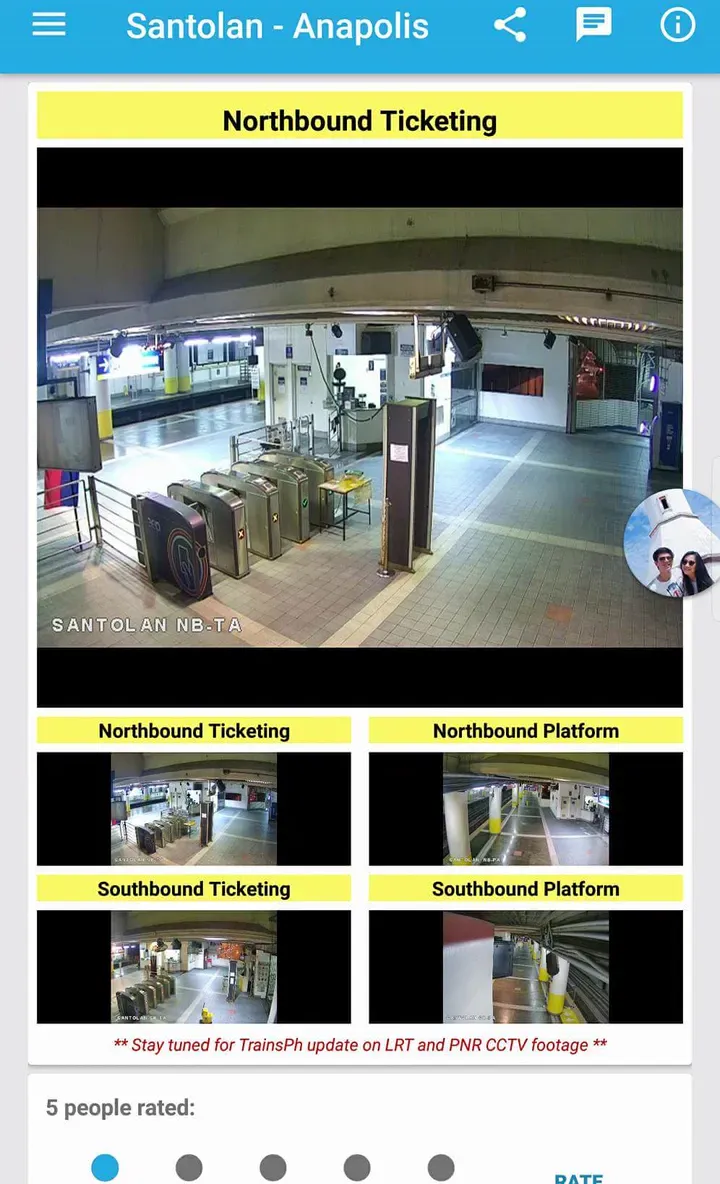
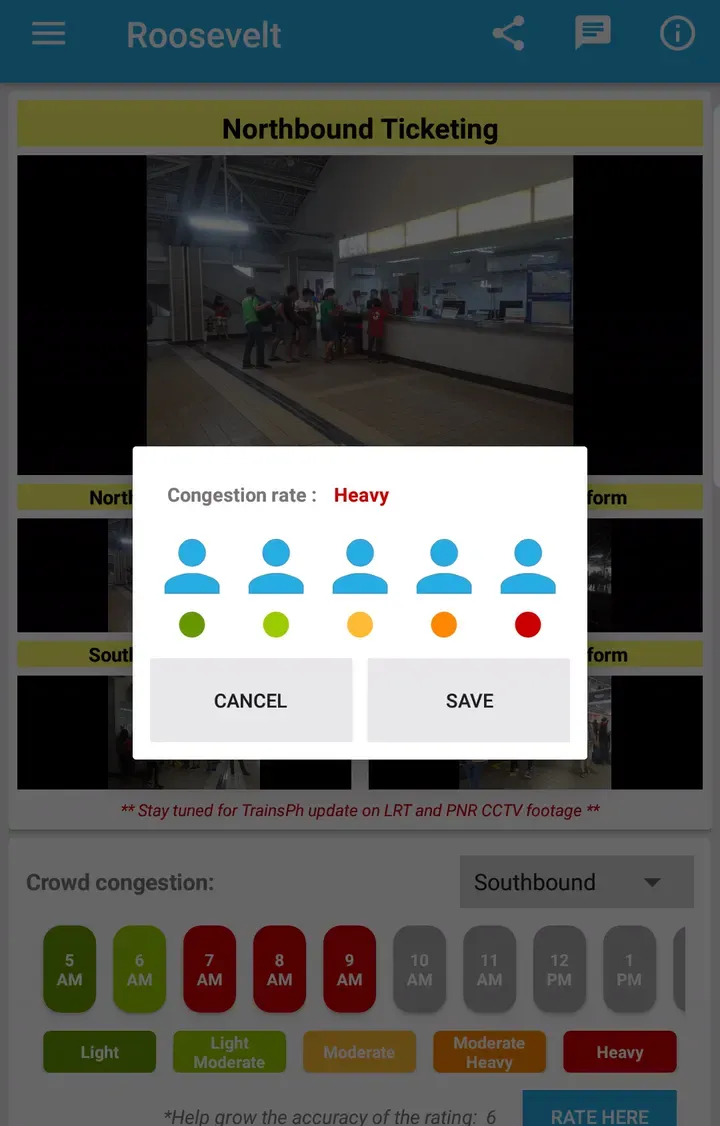
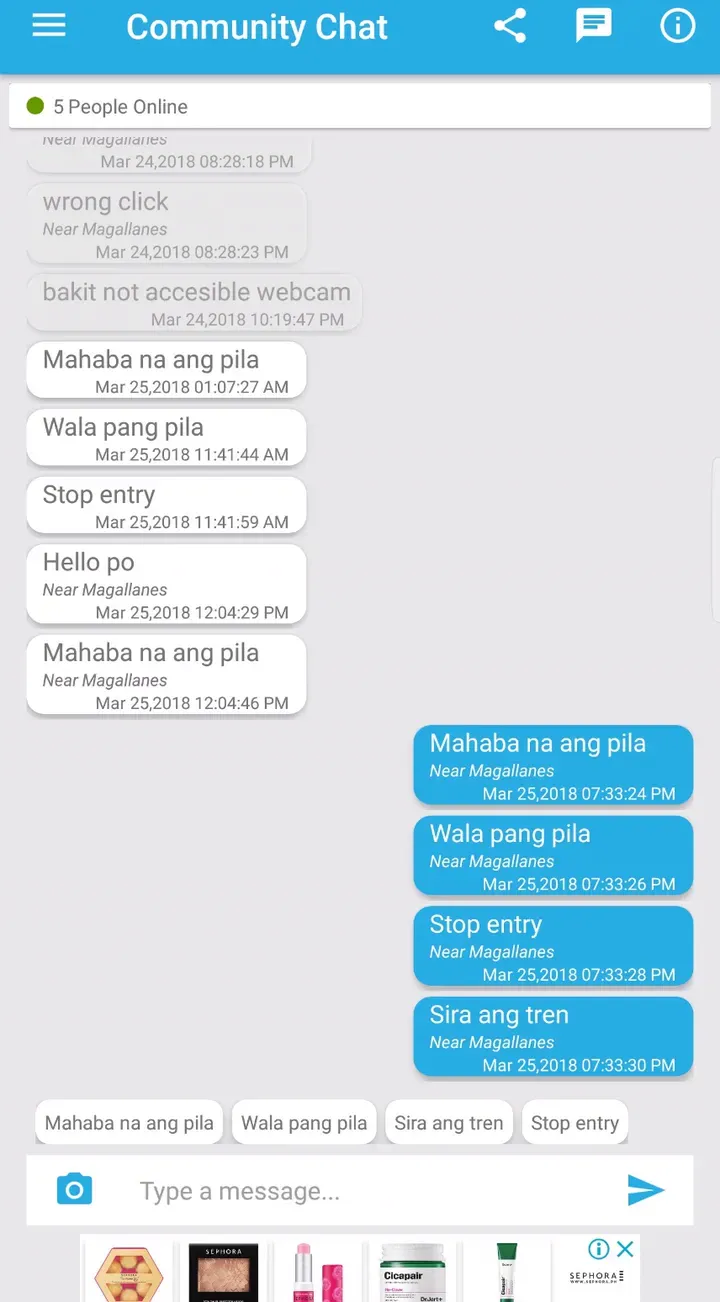
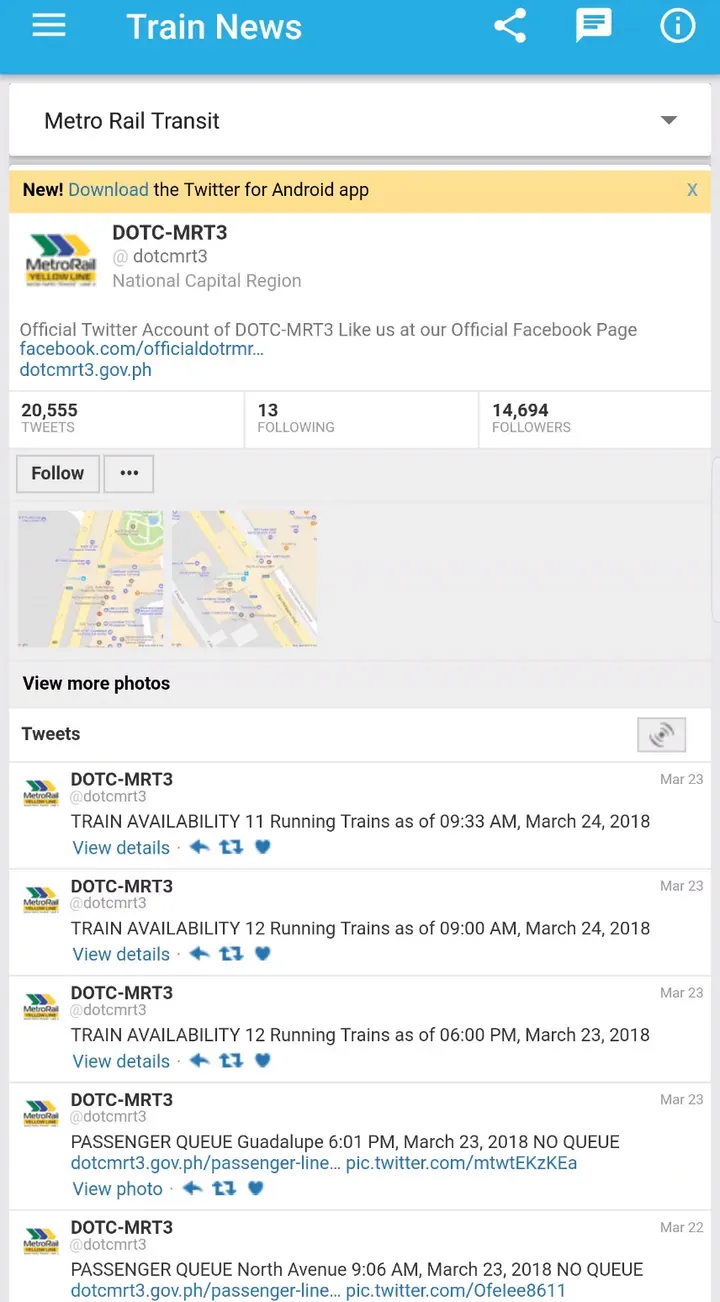
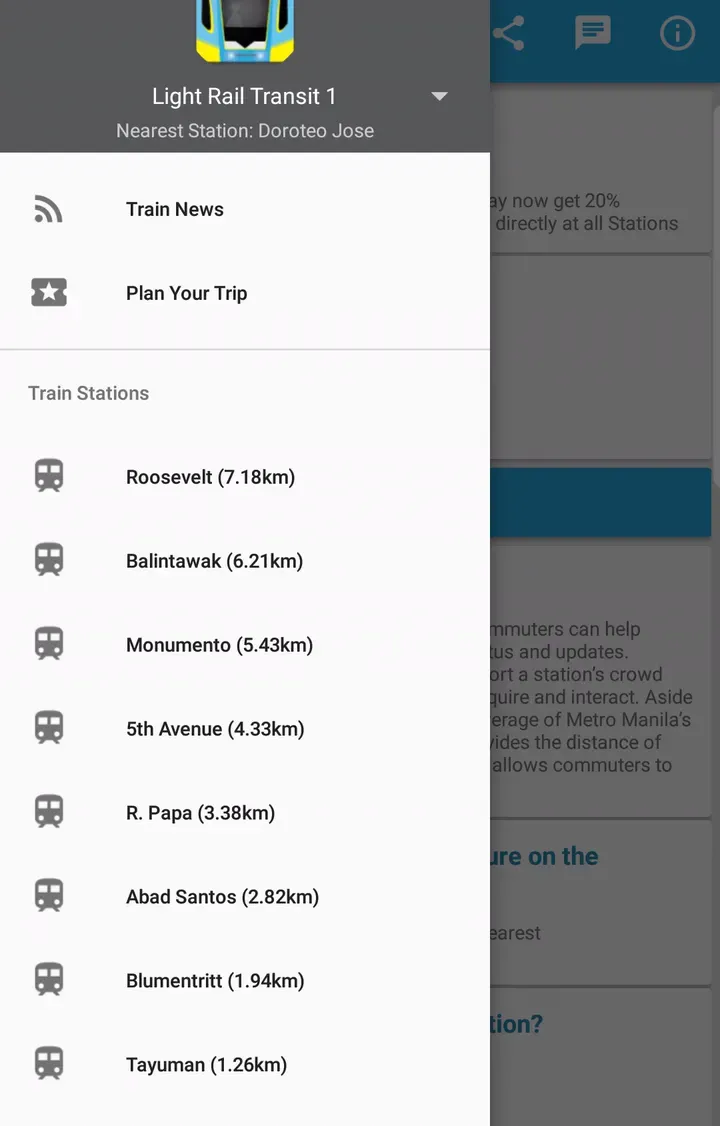
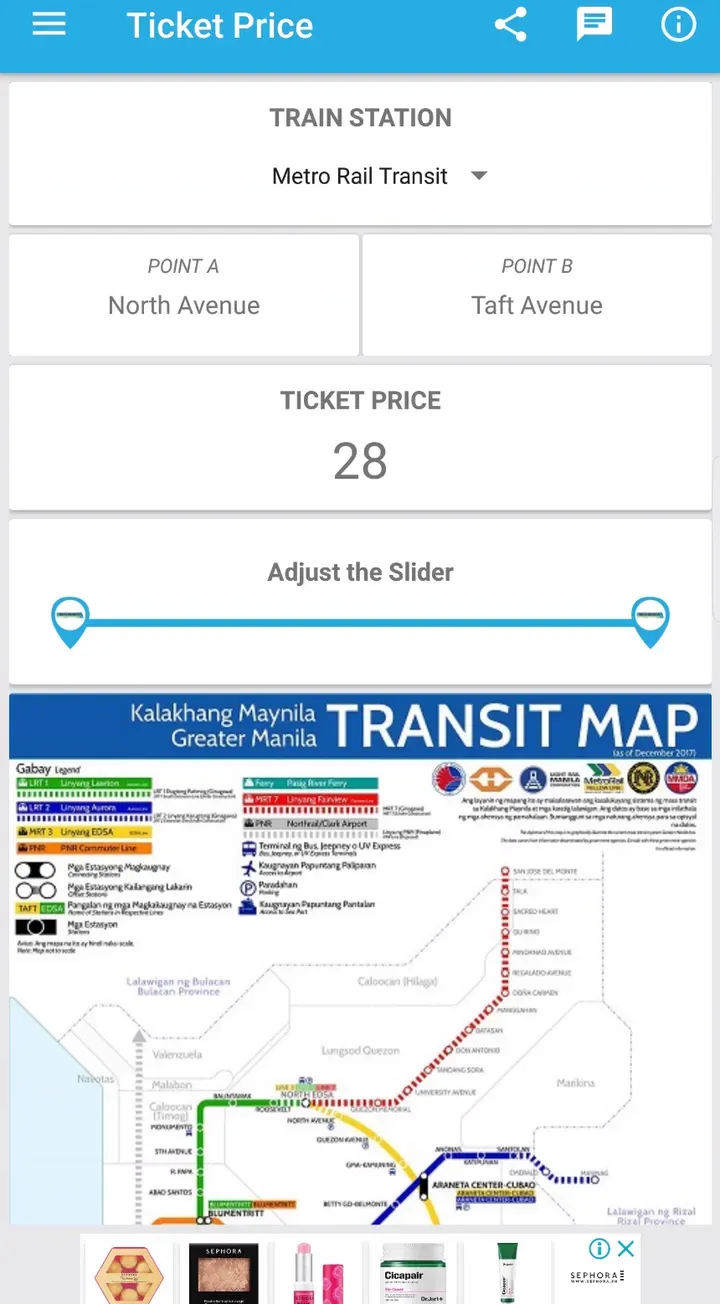
It showed CCTV of station ticketing areas and platforms, northbound and southbound, from the Department of Transportation’s own cameras, so you could look at a station before giving it an hour of your evening. One tap rated how packed a station was. The ratings were pooled per station and direction, so the score got more accurate the more people used it. A chat let commuters answer each other’s questions. Rail news and operator advisories sat in one timeline with push alerts, so you heard about a suspension before you reached the turnstile. Stations were listed by how far they were from you, and fares were there for Single Journey and Stored Value tickets, with travel times and the landmarks near each stop.
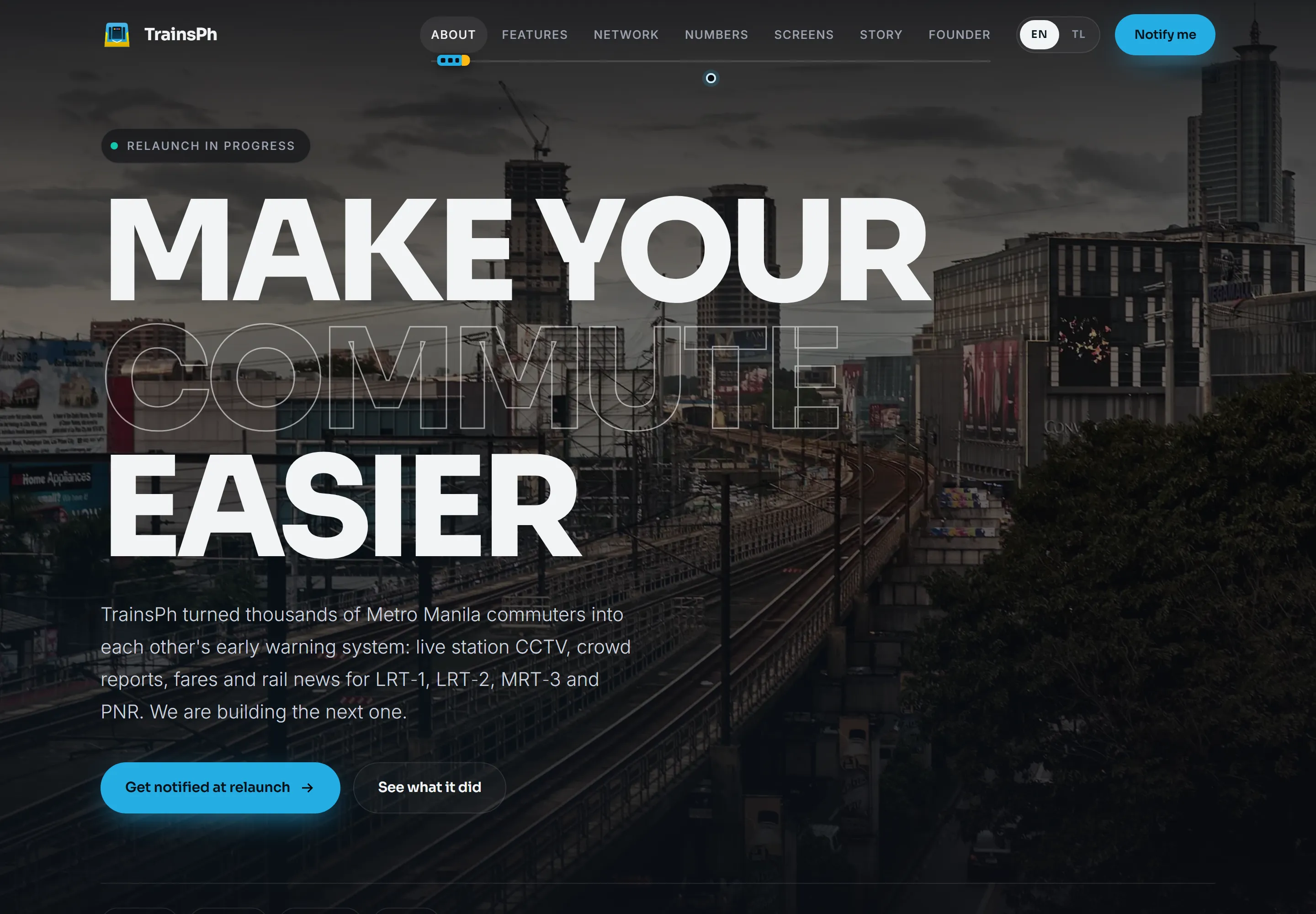
It covered LRT-1, LRT-2, MRT-3 and PNR.
The crowd reports were the best part. Everything that made the app worth opening came from the people using it.
We also answered questions about the trains in the Play Store reviews and on Facebook, because that’s where people asked.
A lot of people assumed it was a government app. It never was.
Trying to make it official
In July 2018 we pitched TrainsPh at HACKATREN, the hackathon Light Rail Manila Corporation ran around LRT-1, and it finished as a finalist. That’s as close as it ever got to official backing. Around it came emails, meetings and follow-ups with operators, agencies and anyone else who might support an app thousands of commuters were already using. None of it worked out. No partnership, no data agreement, no endorsement.
The figures above are the ones we presented at HACKATREN on 15 July 2018, along with 90% growth in monthly active users and 99.4% crash-free users. They describe the app on that day, not today.
The CCTV shows what it costs to run on goodwill. The feeds were public, but the access was never formalised, and at some point the Department of Transportation took them down. Nobody told us why. It was the most useful feature in the app, and it’s the one that didn’t come back.
Back on the platform
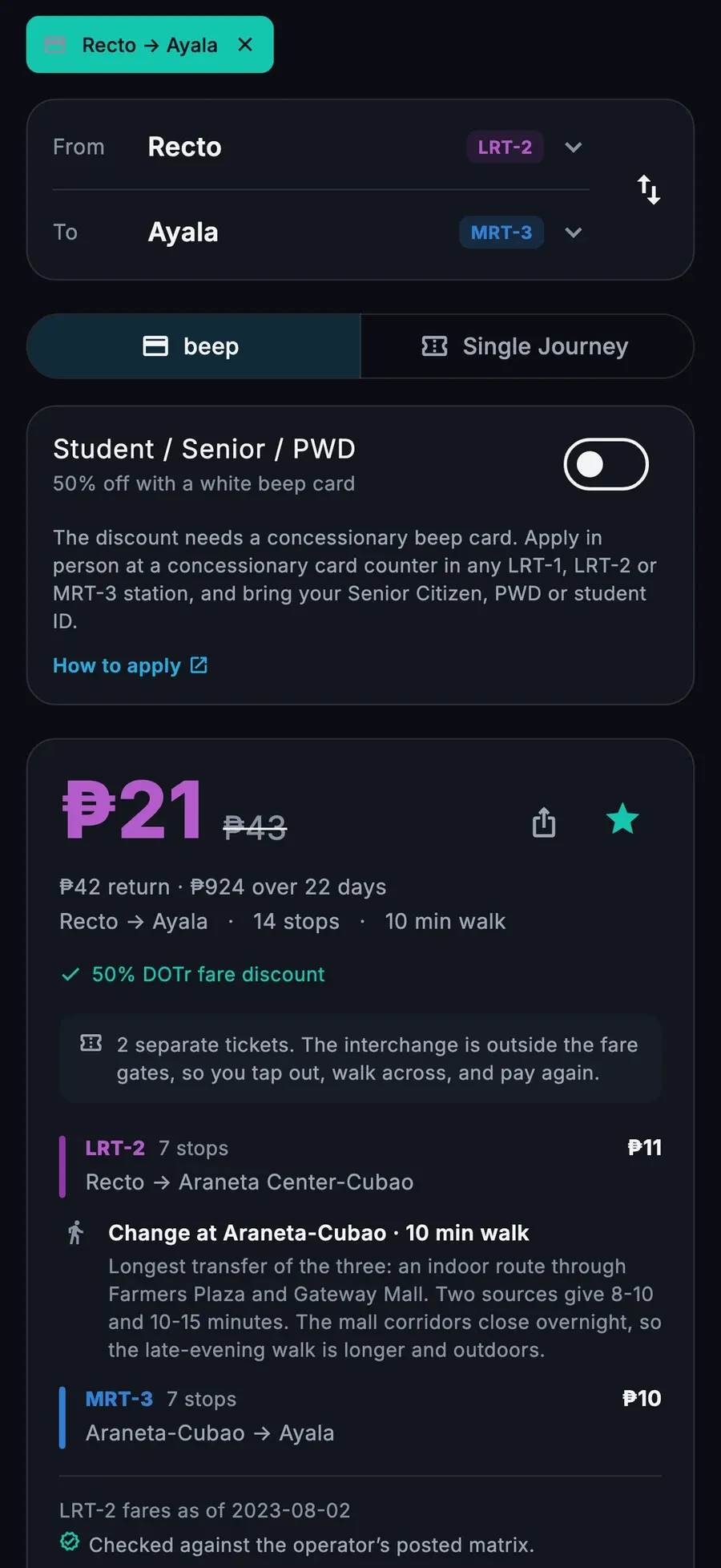
The first app died because its fares went out of date. By the time it left the store, not one of its LRT-1 fares was still right. So the rebuild started with the boring part. Every fare is now checked against the operator’s own fare table, and the app picks up changes the next time you open it.
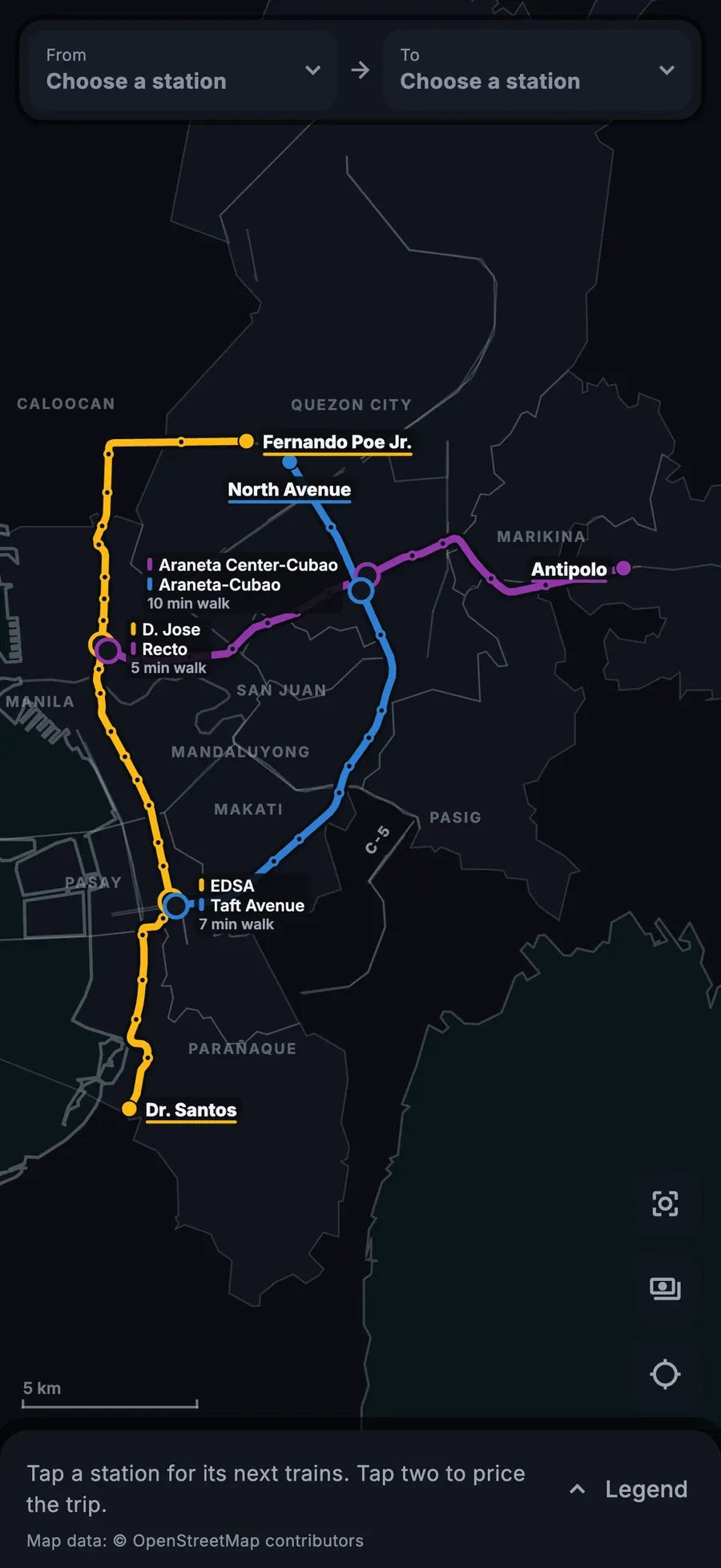
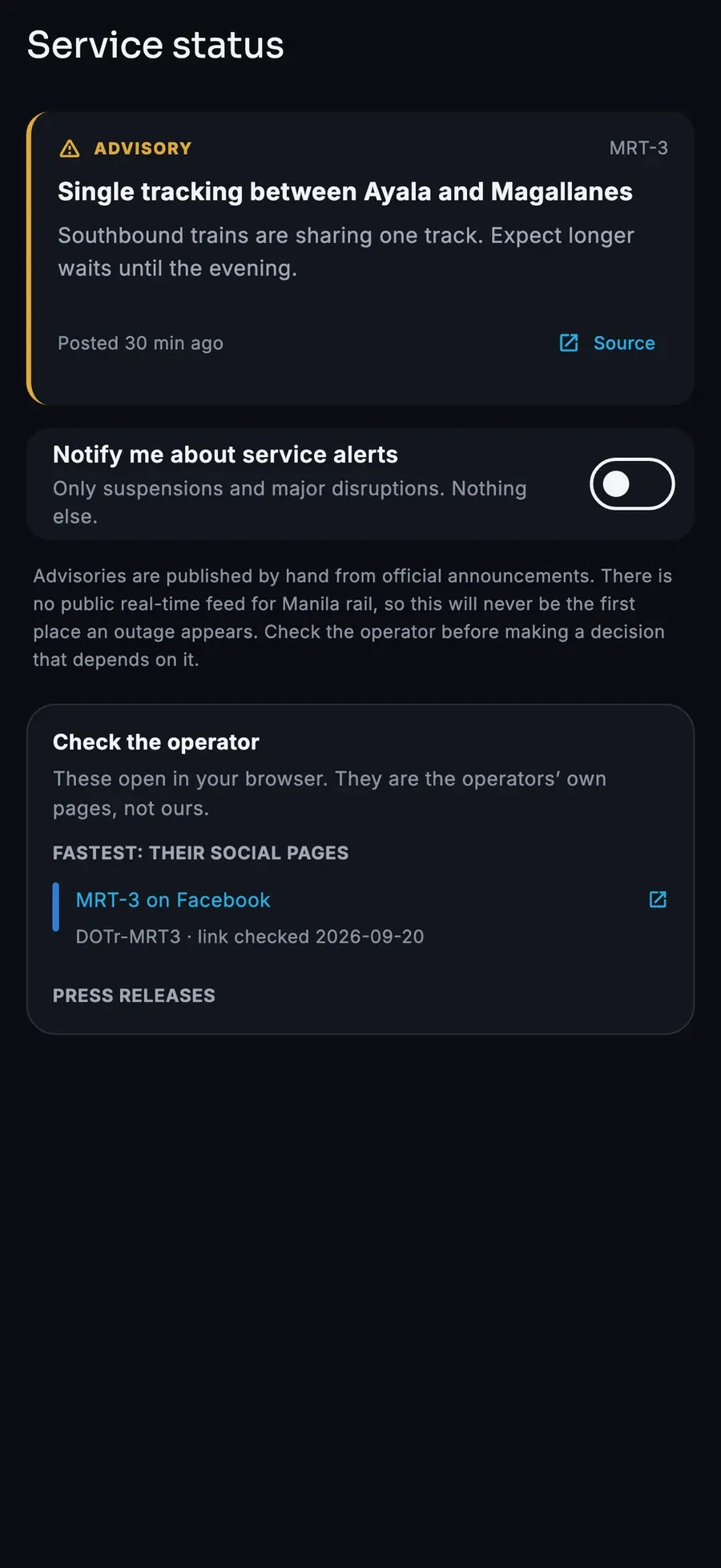
It’s back on Android and, for the first time, on iPhone. Pick two stations and it shows the fare, the route and the walk between lines. It shows the next trains and tonight’s last train. When riders share their ride, you can watch their train move on the map. Fares, stations and timetables are stored on the phone, and the stop alarm works underground with no signal.
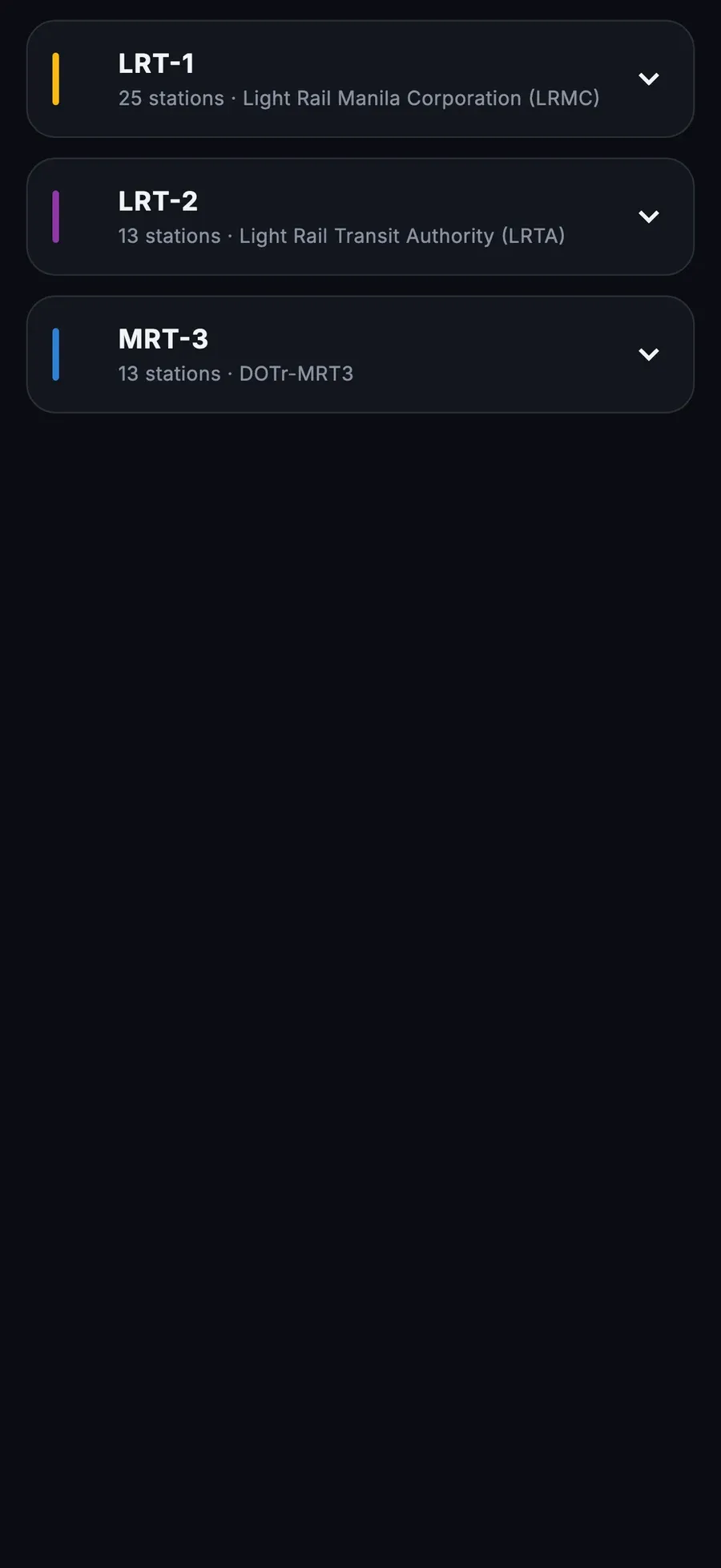
The network is bigger than when the first version shipped: fifty-one operating stations across LRT-1, LRT-2 and MRT-3, plus PNR’s two commuter services. The North-South Commuter Railway, MRT-7, the Metro Manila Subway and more LRT extensions are under construction. Suspensions, reopenings and renamed stations happen all the time, and keeping up with them is the app’s whole job.
It’s still unofficial. Everything in it comes from what the operators publish. trains.ph has the full story, and you can check a fare there without installing anything.
The app today
The real thing
The first app, as it shipped
Impact
Commuters check the fare, the next train and how packed the platform is before they leave the house.
- 7.4kRegistered commuters
- 31kUser sessions
- 823%Growth in yearly downloads
- 4.39/5Google Play rating
Covered by CNN Philippines, GMA Network
Got something like this?
Tell us the problem. We'll tell you what the smallest useful version looks like, and whether we're the right people to build it.
Tell us about your idea →